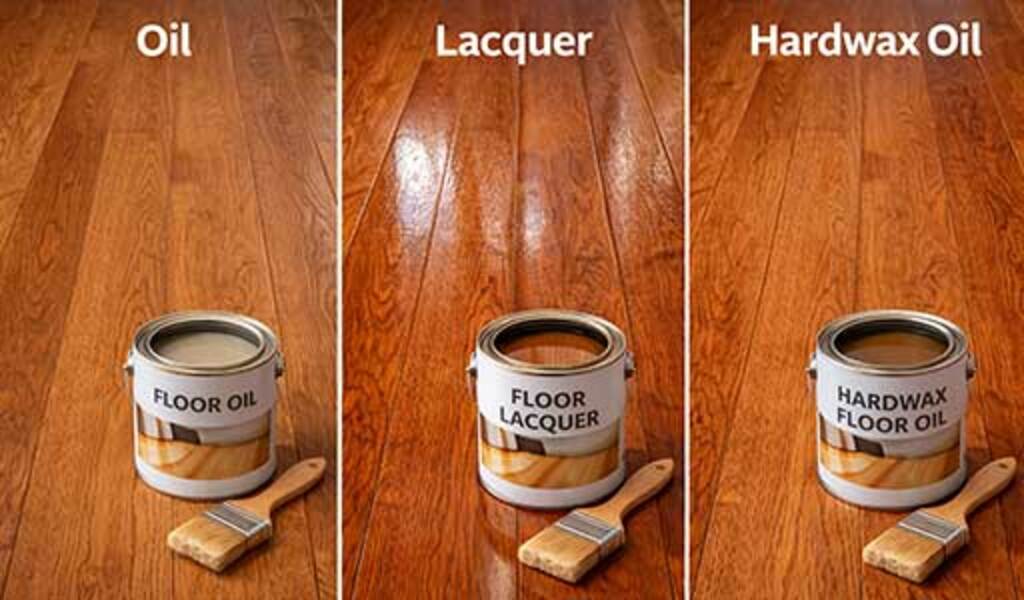
 Choosing the right wood floor finishes homeowners trust requires understanding three dominant options: oil, lacquer, and hardwax oil. Each delivers distinct aesthetics, protection levels, and maintenance demands. Whether you're renovating a period property in Cotswolds stone or updating a modern London flat, the finish you select fundamentally affects how your floor looks, feels underfoot, and performs for decades.
The finish isn't merely decorative—it's your wood's shield against moisture, stains, wear, and UV damage. Premium manufacturers like Boen, Elka, and Kahrs invest heavily in finish technology because they understand British homeowners demand durability alongside beauty.
The Three Main Wood Floor Finishes Explained
Oil Finishes: Natural Beauty and Authentic Touch
Oil finishes penetrate wood fibres rather than sitting atop the surface. They enhance the grain's natural character, revealing subtle colour variations and creating a warm, tactile appearance that appeals to traditionalists and those seeking authentic heritage aesthetics.
Traditional oils like linseed or tung oil require regular application—typically every 6–12 months, depending on foot traffic. Modern formulations from quality suppliers minimise this burden, though commitment remains essential. The finish feels organic underfoot, never plastic-like, making it popular in period conversions where authenticity matters.
Drawbacks include vulnerability to moisture. Spillages left unattended can damage the wood. Kitchen and bathroom suitability requires careful consideration. Oil-finished floors aren't ideal where moisture exposure is frequent or significant.
Lacquer Finishes: Maximum Protection and Gloss
Floor lacquers create a hard, protective surface layer that shields wood completely. It's exceptionally durable, resisting scratches, stains, and moisture far better than oil. British manufacturers favour lacquer for high-traffic commercial installations and demanding domestic environments.
Available in matte, satin, or gloss, lacquer suits contemporary interiors brilliantly. The finish is virtually maintenance-free—regular hoovering and occasional damp mopping sustain its appearance for years. High-gloss lacquer creates dramatic visual impact; satin offers sophistication without theatrical shine.
The trade-off: lacquer can feel less natural than oil, appearing plastic-like to purists. Repairs prove trickier since you cannot simply oil-treat a lacquered floor—full recoating sections becomes necessary. UV exposure may cause slight yellowing over extended periods, particularly in south-facing rooms receiving constant sunlight.
Hardwax Oil: The Hybrid Compromise
Hardwax oils blend oil's natural aesthetics with lacquer's protective capacity. It penetrates wood like traditional oil, whilst creating a durable surface layer through hardwax components. This hybrid approach represents the modern sweet spot for many homeowners seeking balance.
Hardwax oil delivers a natural appearance comparable to pure oil, whilst offering significantly enhanced moisture and scratch resistance. Maintenance sits between pure oil and lacquer—annual touch-ups extend longevity without the relentless commitment oil demands. The finish develops a subtle patina, creating character whilst maintaining protection.
Brands like Boen and Kahrs excel with hardwax formulations specifically engineered for British climates, accounting for seasonal humidity fluctuations that challenge traditional finishes.
Comparative Analysis: Which Finish Suits Your Home?
Aesthetic Considerations
- Oil: Maximum natural character, enhanced grain visibility, warm patina development, authentic period appearance, minimal shine
- Lacquer: Consistent gleaming finish, versatile gloss levels (matte to high-gloss), contemporary styling, uniform appearance regardless of wood species
- Hardwax Oil: Natural warmth with subtle satin finish, enhanced grain visibility versus lacquer, developing patina over time, authentic-modern hybrid
Durability and Protection Ranking
- First Place: Lacquer — Superior moisture resistance, outstanding scratch protection, ideal for kitchens and high-traffic zones, virtually impervious to spills if sealed properly
- Second Place: Hardwax Oil — Strong moisture resistance, good scratch durability, practical for most domestic environments, acceptable for kitchens with prompt spill attention
- Third Place: Oil — Limited moisture protection, vulnerable to scratches and stains, unsuitable for kitchens and bathrooms, suitable for lounges and bedrooms in low-traffic areas
Maintenance Requirements and Long-Term Care
Oil Finish Maintenance
Oil-finished floors demand active stewardship. Annual or biennial recoating maintains protection and appearance. Spills require immediate attention—water rings and staining occur rapidly without intervention. Protective rugs under furniture and entrance matting are essential accessories rather than optional extras.
Cleaning involves hoovering and occasionally damp mopping with oil-compatible cleaning products. Never use standard laminate or tile cleaners on oiled wood—these strip protective qualities and damage the finish.
Lacquer Finish Maintenance
Lacquered floors reward minimal effort. Regular hoovering and damp mopping with neutral pH flooring cleaner maintains appearance indefinitely. Spills pose no emergency—water won't penetrate sealed surface within reasonable timeframes.
Scratches on gloss lacquer show visibly, though this depends partly on the finish sheen level. Satin and matte lacquers camouflage minor marks more effectively. Deep scratches require professional attention since home remedies rarely match the factory finish.
Hardwax Oil Maintenance
Hardwax oil sits practically between pure oil and lacquer regarding maintenance. Annual refresh applications maintain optimal protection, though this commitment is lighter than pure oil's demands. Many modern formulations extend refresh intervals to 18–24 months in normal domestic environments.
Cleaning follows similar protocols to lacquer—hoovering and neutral pH mopping suffice. Water spills don't pose an immediate threat, making it kitchen-suitable provided prompt attention follows longer exposures.
Installation and Professional Application
Boen, Elka, and Kahrs typically pre-finish their engineered wood products at manufacture, meaning finish selection occurs during purchase rather than post-installation. This ensures factory-controlled consistency, impossible to replicate onsite.
However, solid wood floors and sanded existing floors require professional finishing application. Specialist flooring contractors understand crucial variables: moisture content (critical in British humidity), ambient temperature during application, proper curing timeframes, and sanding preparation standards.
Pre-finished products from established manufacturers eliminate these variables. They arrive ready to install, reducing project disruption and guaranteeing finish consistency—a significant advantage for busy households.
Environmental and Health Considerations
Modern lacquers and oils are formulated to meet UK and EU environmental standards, though VOC (volatile organic compound) levels vary. Water-based lacquers release fewer harmful substances than solvent-based alternatives. Oil finishes, particularly natural formulations, emit minimal VOCs, appealing to health-conscious homeowners.
Hardwax oil products bridge this divide—modern formulations achieve strong environmental credentials whilst maintaining performance standards. Look for manufacturer certifications indicating compliance with regulatory standards and third-party environmental assessments.
Choosing Your Ideal Finish: Decision Framework
Select oil if: you prioritise natural aesthetics, operate in low-traffic areas (bedrooms, lounges), accept regular maintenance commitment, and avoid moisture-prone spaces.
Select lacquer if: maximum protection matters most, kitchens and bathrooms require finishing, ease of maintenance appeals to you, or contemporary aesthetics align with your interior vision.
Select hardwax oil if: you want a natural appearance without extreme maintenance, moderate protection suffices for your space usage, or you seek the practical middle ground between authenticity and durability.
Consider your lifestyle, property age, climate zone, and aesthetic preferences holistically. Premium brands like Kahrs and Boen offer all three finish types across their ranges, enabling side-by-side comparisons before purchasing. Many specialists provide sample boards—request multiple finish examples under your actual lighting conditions before deciding.
Conclusion
Understanding wood floor finishes options empowers informed decisions, matching your home's demands with appropriate protection and maintenance commitment. Oil, lacquer, and hardwax oil each excel in distinct scenarios. Your ideal choice reflects personal priorities: whether natural beauty, low-maintenance durability, or balanced performance guides your selection ultimately determines satisfaction for decades ahead.