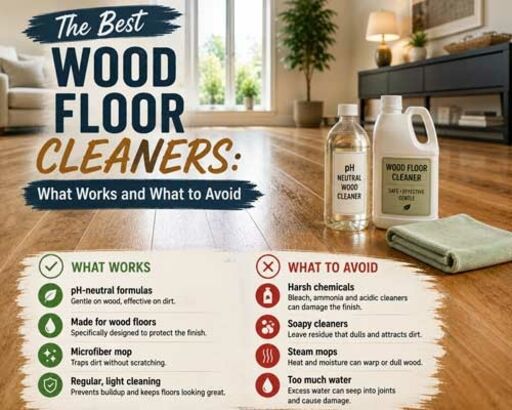
The cleaning product you use on a wood floor matters more than most people realise. The wrong cleaner can strip oil finishes, leave residue that dulls lacquered surfaces, or cause the wood itself to swell and warp over time. Using the right product consistently, chosen to match the specific finish on your floor, keeps the floor looking good and protects the finish for its full intended lifespan.
For Oiled Floors
Oiled floors benefit from a cleaner that both cleans and provides a light conditioning effect with each application. Osmo Wash & Care is the standard recommendation for floors finished with Osmo Polyx-Oil or Wood Wax Finish. Diluted with water and applied with a microfibre mop, it removes general dirt and grime while leaving an anti-slip surface behind, without pigment or scent that could affect the floor's colour. For a deeper clean, Osmo Intensive Cleaner handles tougher build-up and is also used to prep an oiled floor before a fresh finish coat.
For maintaining sheen rather than just cleaning, Osmo Liquid Wax Cleaner deposits natural hard waxes back into the floor as it cleans, refreshing the finish without building up a film. It's available in a white variant for pale-coloured oiled and hardwax floors specifically.
For Lacquered Floors
Lacquered floors need a pH-neutral cleaner that removes dirt without affecting the lacquer film. Our floor cleaners and polishers range includes pH-neutral options formulated for lacquered surfaces, applied with a slightly damp microfibre mop so the cleaner evaporates fully and leaves no residue on the finish.
Where possible, matching the cleaner to the specific lacquer brand on your floor gives the most reliable results, since manufacturers formulate their cleaning products to be fully compatible with their own lacquer chemistry. If you're not sure which cleaner matches your floor's lacquer, call 020 8830 9785 and we can point you to the right product.
What Not to Use
Vinegar is often suggested as a natural wood floor cleaner, but it is acidic and will, over time, degrade both oil and lacquer finishes. The acid etches the finish surface, making it appear dull and rough. Bleach-based cleaners will discolour wood and strip oil finishes completely. Strongly alkaline cleaners, including many general kitchen and bathroom cleaners, will degrade lacquer films progressively.
Oil soaps on lacquered floors deposit an oil residue that builds up over time, eventually turning sticky and attracting dirt. Wax polishes produce a similar residue problem and make it impossible to apply a refresh coat or maintenance lacquer until the wax is fully removed. Steam mops introduce high-temperature moisture that damages both wood and finishes in different ways depending on the finish type.
Buying the correct cleaner for the finish on your floor is a small, one-off decision that pays dividends across many years of cleaning. If you do not know what finish is on your floor, a pH-neutral, residue-free wood floor cleaner is the safest option until the finish can be confirmed.
FAQ
How can I tell if my floor is oiled or lacquered before I buy a cleaner? A lacquered floor has a smooth, even sheen with a film sitting on the surface, while an oiled floor feels closer to natural wood underfoot and shows the grain's texture more clearly. If you're still unsure, a small water-drop test can help: water beads on a lacquered surface but tends to soak in faster on an oiled one, though checking with us directly is the most reliable option.
Is it fine to use the same cleaner on wood and other flooring types in the same house? Some cleaners, like a general all-purpose wood and hard floor cleaner, are formulated to work safely across multiple surfaces. A cleaner formulated specifically for oiled wood floors shouldn't be used on tile, laminate or vinyl without checking the label first.
How often should I deep clean versus just dust or lightly mop? Light dusting or vacuuming a couple of times a week prevents grit from scratching the surface. A proper wet clean with the right product every one to two weeks, depending on foot traffic, keeps the floor genuinely clean rather than just tidy.
Can using the wrong cleaner void a manufacturer's warranty on the finish? It can, depending on the finish brand's terms. Using a cleaner the manufacturer hasn't approved for their product, or one that leaves residue or strips the finish, is the kind of thing that can complicate a warranty claim if the floor's finish fails prematurely.