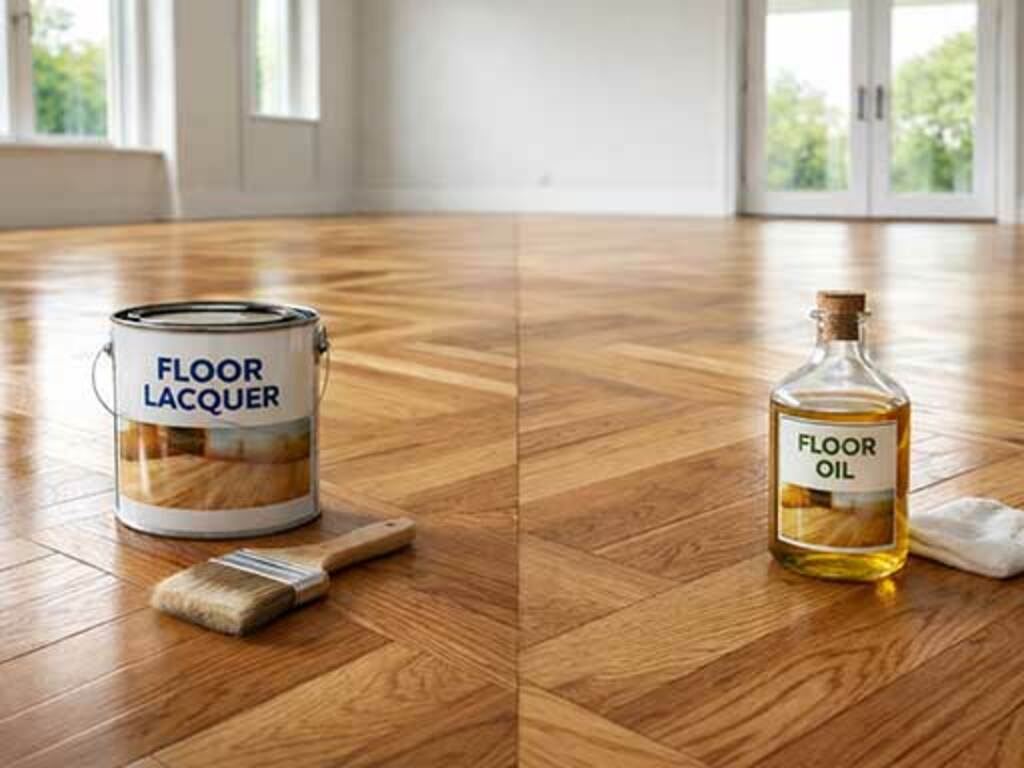
 When deciding between floor lacquer vs floor oil, you're choosing between two fundamentally different finishing approaches for wooden floors. Both create protective coatings, yet they work in opposite ways. Understanding these distinctions helps homeowners and contractors make informed decisions based on their specific needs, lifestyle and aesthetic preferences.
Floor lacquers form a hard, plastic-like surface layer on top of your wood, while floor oil penetrates the wood fibres themselves, enhancing the natural grain whilst protecting it. This difference shapes everything from appearance to maintenance requirements and longevity.
Key Differences Between Lacquer and Oil Finishes
Surface Protection and Durability
Lacquer creates a robust topcoat barrier that shields wood from spills, scratches and UV damage. This surface layer sits above the wood, forming a protective shield. Products like those from Bona are engineered to withstand heavy foot traffic and household accidents. The finish hardens completely, creating a durable shield that lasts 3–5 years before requiring recoating.
Floor oils, by contrast, saturate the wood itself rather than sitting on top. Brands like Osmo penetrating oils soak into the timber, bonding with wood fibres and providing internal protection. This creates a more subtle, natural appearance whilst maintaining the wood's authentic character. However, oil finishes typically require recoating every 1–2 years, depending on traffic levels.
Appearance and Aesthetics
The visual difference between these finishes is striking. Lacquer produces a glossy or satin sheen that enhances colour depth and creates a polished, formal appearance. Light reflects uniformly off the surface, giving rooms a sophisticated look. Blanchon lacquer finishes, for example, are prized for their elegant sheen and colour enhancement.
Oil finishes deliver a more natural, matte aesthetic that celebrates wood's organic character. The grain remains visible and tactile, with subtle colour enhancement rather than dramatic shine. Many homeowners prefer this authentic look in contemporary and rustic settings. Osmo oils are particularly valued for their ability to enhance natural wood beauty without creating reflective surfaces.
Maintenance Requirements Compared
Cleaning and Upkeep
Lacquered floors demand regular but straightforward maintenance. Weekly vacuuming removes dust, whilst damp mopping with specialist flooring products keeps the surface clean without damaging the finish. Most spills wipe away easily from the impermeable surface. Bona floor cleaning products are specifically formulated for lacquered floors, protecting the finish during cleaning.
Oil-finished floors require gentler care. Vacuuming remains essential, but wet mopping risks leaving water marks or dulling the finish. Many oil-finished floors benefit from dry-cleaning methods. However, oiled floors can be rejuvenated with targeted recoating of high-traffic areas without refinishing the entire floor—a significant advantage for maintenance flexibility.
Repair and Recoating
Major advantages and disadvantages exist in repair scenarios. Lacquered floors showing wear require complete sanding and recoating of the entire surface to maintain uniformity. Blanchon systems allow for compatible recoating, but the process is more labour-intensive. Scratches and marks often require professional attention.
Oil finishes excel in targeted maintenance. Small areas can be lightly sanded and re-oiled without affecting surrounding surfaces. This piecemeal approach reduces costs and disruption. Osmo's penetrating oils specifically allow homeowners to refresh worn areas independently, making long-term maintenance more economical.
Cost Considerations
Initial Investment
Floor lacquer typically costs more upfront, both in material and labour. A professional application is strongly recommended, as proper lacquering requires expert technique, ventilation and curing time. Bona lacquer systems represent a significant initial investment but offer extended periods before recoating becomes necessary.
Oil finishes generally cost less initially. Many homeowners apply oil themselves, reducing labour expenses considerably. Osmo penetrating oils are accessible for DIY application, making this option budget-friendly for those comfortable with maintenance tasks.
Long-Term Costs
Over 10 years, costs may equalise or favour oil finishes depending on traffic levels. Lacquered floors might require one complete recoat between years 3–5, representing a substantial expense. Oil-finished floors need more frequent recoating, but smaller areas can be maintained individually, potentially reducing overall costs for light to moderate traffic areas.
Suitability for Different Spaces
High-Traffic Areas
Kitchens, hallways and family rooms benefit from lacquer's robust surface. The non-porous finish resists moisture, grease splashes and heavy foot traffic. Blanchon lacquers specifically withstand kitchen demands where water exposure and frequent cleaning occur. Commercial and busy domestic settings strongly favour lacquered finishes.
Oil finishes suit quieter living rooms, bedrooms and studies where traffic remains lighter. These spaces showcase wood beauty without risking damage from constant wear.
Pet and Children Considerations
Households with pets and young children typically prefer lacquered floors. The hard surface resists claws and prevents staining from accidents. Spills clean instantly without penetrating wood. Bona systems are engineered for family-friendly homes where durability trumps aesthetics.
Oil-finished floors in pet-owning homes require more vigilance regarding moisture and scratching. However, their repairability means minor damage needn't worry homeowners indefinitely.
Environmental and Health Factors
Modern water-based lacquers from brands like Bona emit fewer volatile organic compounds (VOCs) than traditional solvent-based versions. Nevertheless, lacquering involves chemical products and professional application typically requires ventilation and safety measures.
Natural penetrating oils from brands like Osmo often contain fewer synthetic chemicals, appealing to eco-conscious homeowners. Many oil products derive from renewable sources and biodegrade naturally. For families prioritising indoor air quality and environmental impact, oil finishes often align better with green building principles.
Decision-Making Framework
Choose Lacquer If:
- Your space experiences high foot traffic or moisture exposure (kitchens, hallways)
- You prioritise durability and minimal maintenance between coats
- You prefer glossy, polished aesthetics
- You have young children or pets requiring stain-resistant surfaces
- You want extended periods (3–5 years) before recoating becomes necessary
- You can invest in professional applications and quality products like Bona or Blanchon systems
Choose Oil If:
- Your home features moderate traffic in quieter spaces
- You value natural wood appearance and tactile authenticity
- You're comfortable with annual or bi-annual maintenance recoating
- You prefer the ability to refresh small areas independently
- You seek budget-friendly options with potential for DIY application
- Environmental considerations and lower VOC emissions matter to your household
- You appreciate the flexibility of targeted repairs without full refinishing
Making Your Final Choice
The decision between floor lacquer and floor oil ultimately depends on your priorities, lifestyle and budget. Lacquered floors demand professional installation and periodic complete recoating, but reward you with durable, low-maintenance surfaces perfect for busy households. Brands like Bona and Blanchon deliver premium quality and longevity.
Oil-finished floors celebrate wood's natural character, offer flexible maintenance and typically cost less initially. Osmo penetrating oils represent an excellent choice for those valuing authenticity and environmental responsibility. However, they require more frequent attention and suit lower-traffic environments best.
Consider your home's traffic patterns, aesthetic preferences and maintenance capacity. Many homeowners successfully combine finishes—lacquering high-traffic kitchens whilst oiling more intimate living spaces. This hybrid approach maximises both protection and beauty throughout your home.